‘twas long ago that the Demon Realm faced annihilation…
From elsewhere they came, and none could stand before them.
Yet when the hour seemed darkest, a blaze of red swept across the realm, and naught remained of the foe.
Several hundreds of years later, this accursed history is about to repeat itself…
For a GB game from 1990, this one is quite good, it barely feels like an early title.
This is slightly more atmospheric than most Game Boy games of the time, or even that came later.
The dialogue in this game, while quite typical of the time in terms of character types and tone, is a far cry from most games in terms of setting and character designs. You play as a demon, in a hellish world called the Demon Realm. And all these words that you barely see in games of the time really work to set it apart.
Sure, I’ve played the fan translation, but although the official localized version naturally censors the demonic themes as best as it can, the overall thematic is still there and works great, since it’s so visually striking, but we’ll get to that later, now let’s just talk about how the game starts.
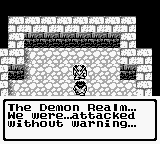
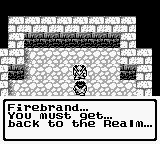
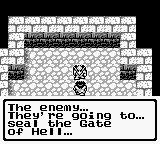
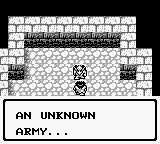
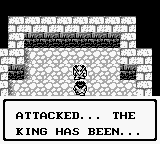
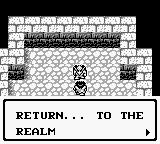
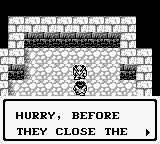
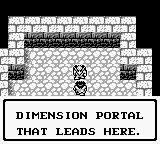
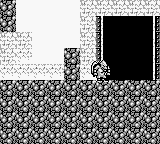
You start out in a top down typical of RPGs of the era, as you’re warned about being attacked by other demons. They ask you to take heed, and so you do. When you leave the room, the game switches to a platformer, and right off the bat, the visuals are pretty good, with smooth animations for the sprites and elements on the background, such as the fire.
The background and foreground is quite detailed too.
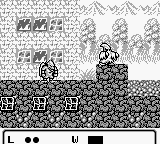
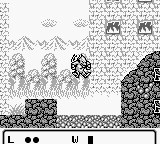
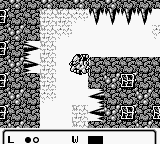
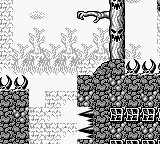
This game came out only a year after Super Mario Land and Castlevania: The Adventure, those games had very simple sprites and backgrounds, so it’s impressive that just this early Capcom managed to make such a good job, already mastering the visuals.
The game itself plays pretty smoothly for the most part.
It starts out a bit harsh, not because of difficulty, but the low health, you can only take two hits, but taking the series this game came from into consideration, that’s standard, and in contrast, the level design is quite generous.
The level does a good job teaching you how to play.
You can fly by pressing A in air, when you do a meter depletes, you can cancel out of flight at any time, and yes, it’s essential to know how to use the flight. You stay in place when it’s on, moving only horizontally. So you have to tap A to descend properly and not waste the meter completely, when you touch a surface the meter instantly goes up again.
B lets you shoot a projectile.
You can also cling to walls, and that’s pretty much it.
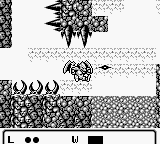
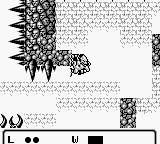
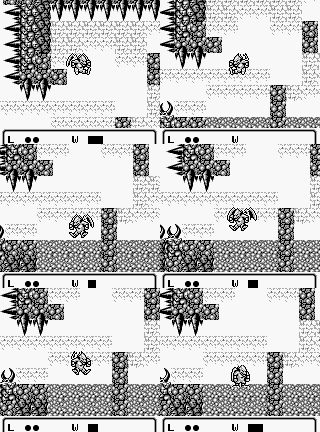
The game manages to do a lot with these simple mechanics, all the levels ask you to gradually get better at all of these, and by the end you will have to master them.
At the end of the intro level there’s a boss, when you beat it, a gate opens and you leave. The game switches back to the top down perspective and you’re in a world map, similar again to an RPG. It even has random encounters, and they work like in Zelda 2, putting you a sort of challenge field where you have to beat enemies, if you die you just go back to the world map, the game has lives, but the game over also just returns you to the world map, so dying in these isn’t really a problem. We’ll get to game overs and how the game handles them later.
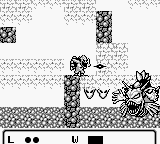
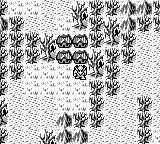
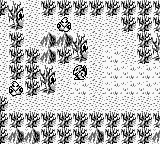
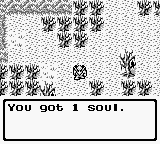
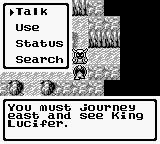
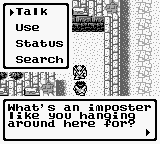
In this world map, you’re given no direction, so you’re just meant to explore on your own, which I recommend. When you beat an encounter, you gain a number of souls, based on the difficulty of the enemies in it, of course you won’t know what souls are at this point, but you’ll just assume that’s probably good. So when you walk a bit, you will see two paths, both blocked by figures that just like the enemies you’ve seen on the intro level, when you talk to any of them, you will have to fight them, defeating them opens the path. Both paths meet and suddenly there’s only one way. It doesn’t lead really far, and eventually you will inevitably run into a town.
It’s a typical RPG town, there’s a place you can exchange your souls for Dark Power, a place where you can unknowingly use as a respawn point, and someone who gives you direction for progress, which ties into the story.
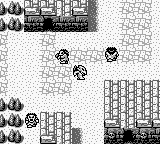
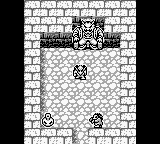
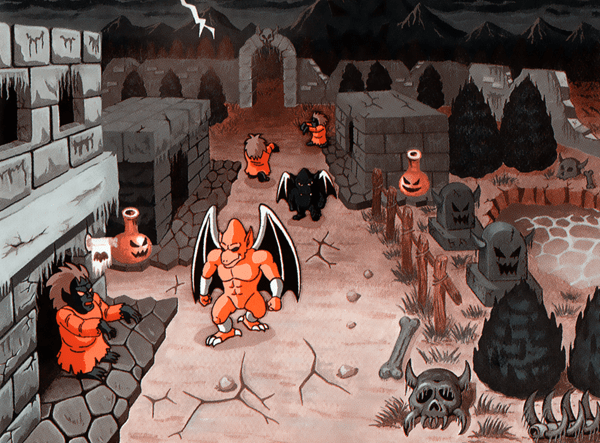
Image from Capcom Database (capcom.fandom.com)
I keep mentioning things you wouldn’t know what they are when the game talks about them, and that’s a good time to explain it. Souls are currency, you wouldn’t know that when you start the game, Dark Power are lives, you also wouldn’t know that when starting. These would probably be explained in the manual, so I’m not gonna complain, but I seriously didn’t know what exactly those were before I noticed the fact that after I bought Dark Power, I seemingly died but didn’t get a game over until a bit later. Then it clicked with me, and I checked the Dark Power I could see on the menu on the overworld and it matched the lives counter (which you only see when in levels or encounters).
While I think this could have been told to the player better, I don’t mind it because I know this was made in times where this stuff would be in the manual, and now that I know, I think it adds to the narrative and atmosphere, transceding the abstract concept of lives into something that makes the demons feel more magical and powerful.
As some NPC puts it “If your body’s destroyed, you don’t need to recite the Cursed Words if you have Dark Power”.
It’s a neat way of explaining it in-universe, it’s a thing that makes sense for them, not just to the player, and I think that’s cool.
“Cursed Words” by the way are technically a few things:
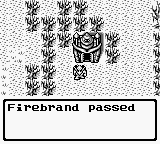
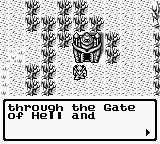
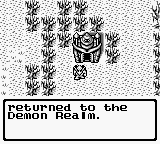
Coming back from the game over will mention that Firebrand recited the Cursed Words.
When you talk to a NPC that’s in every town in a building, they will mention Cursed Words and that place will act as the new respawn point for every game over.
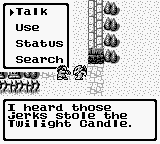
And finally, something that makes a lot of sense and is quite the genius way of handling it, which I’ve only understood after I talk to this NPC I just mentioned (as quite a lot of NPCs talk about Cursed Words). They say the following:
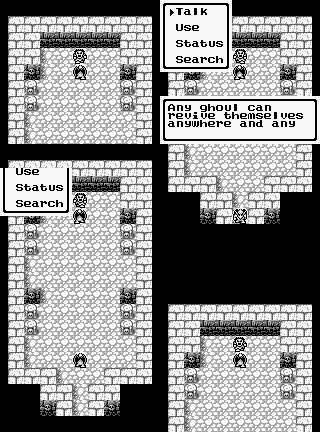
When I saw that, I immediately knew what was going on…
The “Cursed Words” are the password system! That’s so cool, it even finds an in-universe explanation for the passwords, something that makes sense in the narrative somehow! Sure, it’s obtuse as hell to even get what they meant before talking to this one NPC, and it doesn’t even mention the respawn point aspect and so on, but it’s quite commendable that they went this far to keep in with the game’s theme and atmosphere.
Another neat thing about the Cursed Words is that in the Japanese version, they actually look like words, since the game uses a hiragana system for text, which is used in the password, that’s naturally the type of thing that gets lost in localization sadly, but that’s to be expected.
On the subject of NPCs and not understanding some things, I think this is a good moment to talk about a specific line someone in the first town says:
“The Darkgleam…
You’d better run if you see its rays or your soul will be destroyed. Even the Cursed Words can’t put you back together again.”
I’ll just go ahead and say that I have no idea what they are talking about, as I don’t recall anything like this in the game. It’s as if they’re talking about some sort of ultimate game over, but that never happens (thankfully). You’re able to retry how many times you want.
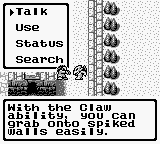
So let’s just move on.
In this first town, there will be a major NPC that will give you a task which serves as progress for the game and ties into the story, as I mentioned before. Almost all the towns have something like this in a way or another.
Since this is a review of the game and its mechanics, and I avoid spoiling things to a certain extent, I won’t really talk about most towns as they just serve the same purpose.
I will move on into the main levels themselves.
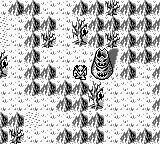
They basically work as what would be dungeons in an RPG, and this is where game overs actually matters. Levels have checkpoints, when you get a game over, you restart at the last respawn point (generally a town). You keep your souls and your lives return to default, it’s not really too punishing, remember that you can essentially buy lives, and even find them in levels and in jars (which serve as what would be chests in regular RPGs, you have to stand on top of them and use search on the menu… Dragon Quest 1 style, rudimentary, but it’s ok).
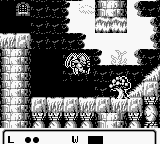
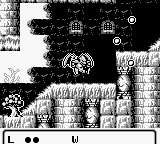
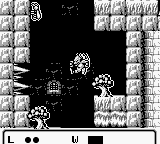
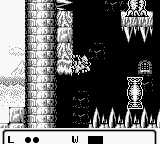
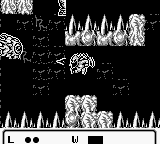
The levels get quite long as they go on, and are full of spikes everywhere, considering the mobility, it makes sense that the obstacles come more from the geometry of the levels, than the enemies themselves. The enemies respawn after you leave the screen for a while, it’s not too bad, but it can be annoying.
The level design is very vertically oriented and has a lot of parts where you need to use the wall jump properly to progress. Small sections where you have to fly and so on.
All stuff that requires you to make good use of your abilities.
There’s also plenty of exploration and fitting rewards for it.
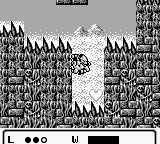
There’s a barely visible health pick-up there, and it’s like that because it flashes and it just so happens that it was on the least visible frame when I took the screenshot.
As you go on with the game, you will get upgrades to your abilities. At the end you will have more health, better defense, powerful shots and infinite flight, and the game will want you to use those, don’t think they make the game easier, they technically do, but the game will scale up its difficulty significantly with these later upgrades, asking you to do stuff you wouldn’t ever be able to do without them, which is actually pretty good, but it’s certainly not easy. The game becomes insanely hard by this point.
Also, certain early bosses become semi-regular enemies later on, appearing in random encounters. Of course, it’s not as intimidating, since you have upgrades.
You feel really powerful, and it’s really satisfying to feel the growth throught the game.
Lategame in particular gets obnoxiously obsessed with spikes, to the point where in some parts I just barely can get through without being damaged, so I just “tank it”… which is probably not a good sign, the game isn’t cheap in general, but some parts feel a little like that. There are also quite a good amount of enemies that deal 2 HP damage, which is your starting health and they are here are there even at the beginning of the game.
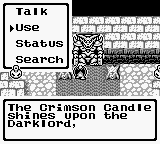
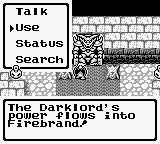
Checkpoints are fairly generous, but everytime there is a boss, the checkpoint will bring you back to a part with a bunch opportunities for you to get damage, and it’s not even too far, but it feels like it’s just there to be annoying, to eat away your HP or lives.
Yet again, more often than not, avoid damage is quite hard in these sections, so I just kinda try to not get hit by the boss at all, which is fine, but frustrating when you die but feel like could have done better with your full HP.
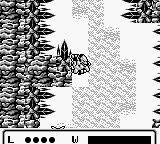
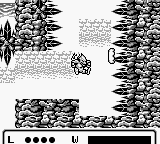
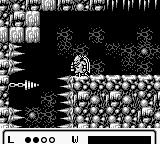
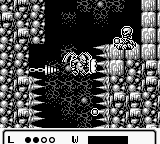
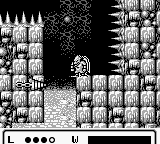
Sometimes I do get through these sections without a hit, but it never feels that it’s because I learned something or got better skills, it just feels like I got lucky. That’s my issue with that. Especially a part before you fight Lucifer.
As usual, I don’t want to spoil the final parts of the game, but I will tell you, it requires you to use a projectile that can create platforms on spikes temporarily, and use those to progress. It’s actually really cool, but it can be a bit stressful.
In general, the game is surprisingly generous, and my problem with checkpointing thankfully doesn’t apply to the final boss, you can retry it as much as you want, which is rare for a game of this era, and especially rare from a game derived from the Ghouls n’ Ghosts series.
However, if you leave the game during it and use a password to go back to it, you’d have to go through quite a lot of stuff before getting back to the fight, as you can only get a password in towns, and obviously, there’s no town inside the boss room.
I don’t find that to be a big deal, but it can be offputting to some, and it’s important to remind you that since it’s a Game Boy game, it can be pretty frustrating if you’re fighting the final boss and your batteries died during that process. Again, not a big deal, but it’s one of those moments where you just sigh heavily and decide to take a break since you’ll have to start all over again anyway.
However naturally, it feels really satisfying to finally beat that damn boss. The boss itself isn’t really hard per say if you know what you’re doing, it’s just that he’s invulnerable for long periods of time and it’s a bit random, so it can get tiring waiting for an opening to actually deal damage.
Now, as I said, I don’t really want to spoil the final boss itself, so let’s talk about the localization and compare it to the fan translation, which is how I played it originally.
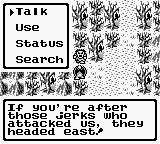
Ok, so right out the bat, I might note that I prefer the fan translation, but not because the localization is bad, it’s the standard stuff you’d see at the time, and despite changes in the more occult and demonic names, the tone and pretty much everything else is kept intact, so it doesn’t feel dumbed down. (Just like GnG used to have little changes, but wasn’t too different otherwise).
The real reason I prefer the fan translation is just my personal preference. I think the dialogue feels a bit more natural there, in the localization the spacing is a bit weird and everything is written in all caps (usual for the era), there are a lot of abbreviations in the menus. The story is pretty much the same, just told in words that wouldn’t outrage 90s American parents (the Demon Realm becomes the Ghoul Realm, the Gate of Hell becomes a “Dimension Portal”, and so on). However, the original translation is perfectly acceptable, and I don’t want to paint it as the lesser version in any way.
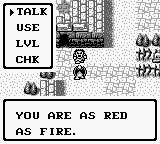
I do think the demon themes do help making the game stand out, and besides, it’s what the story is supposed to be and it’s the more unfiltered version. The fan translation feels less wonky than the official one in the way its worded, it has little quirks which you would expect to see in an official one too, so it’s not like one of those fan translations that try to be too purist with literal translation or filled with swearing. It’s quite charming really.
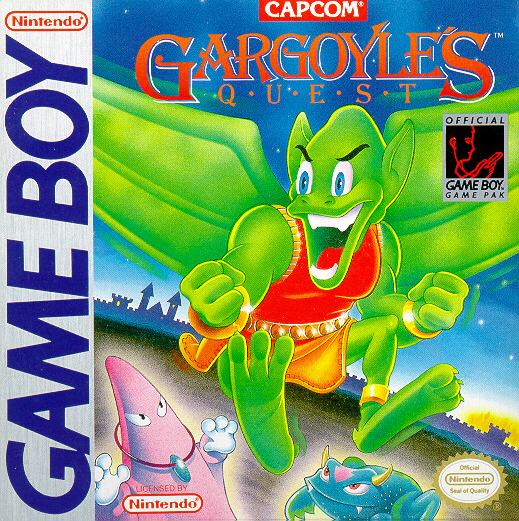
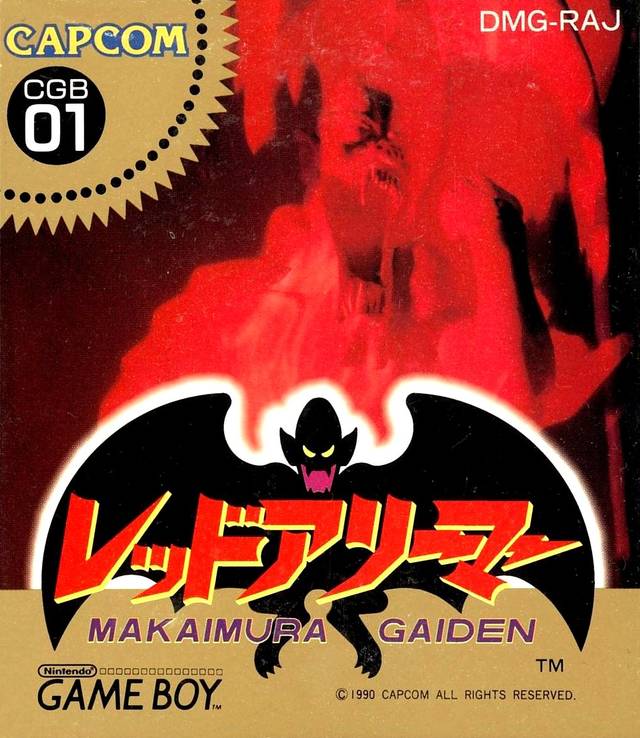
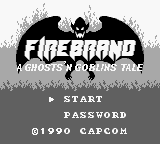
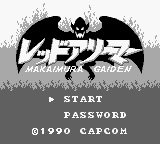
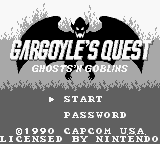
This time around, I don’t care much for any of them, in the American art, Firebrand was made green to coincide with the Gargoyle name and the monsters are cartoony and less demonic, it all works well to fit with the theme they were going with, while the Japanese art has the logo which looks nice but the art itself doesn’t look great as a game box art, I can imagine it looking cool somewhere else, but the way it is it just feels like something is wrong.
(Images from Capcom Database)
It still uses the name Firebrand (which is the character’s name, Red Arremer being his species). During the entire playthrough, I never felt like I wasn’t playing an official localization. It actually just feels how the game would be if it was translated in a more modern era and whatnot.
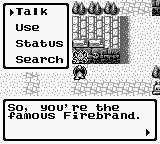
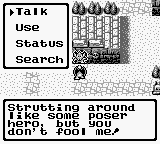
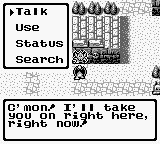
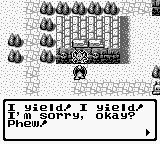
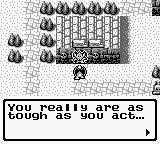
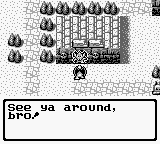
As I did mention, the visuals are pretty great.
And the music is no slouch either, it works greatly with the atmosphere of the game, having a sort of baroque feel to it.
You can tell it’s supposed to replicate the sounds of instruments like the organ, harpsichord, violins and other stuff evocative of a dark period piece, even if it’s chiptune.
The overworld theme is a favorite of mine, sounding peaceful, yet slightly melancholic.
Not everything sounds like what I described, but pretty most of it feels like it could be easily played by an orchestra and sound the same (it’s sorta like the compositions in Dragon Quest). In fact, just like many games of its time, there was an arrangement album available for the game, and the soundtrack sounds pretty great, although not all tracks for the game were arranged, but what is there is good.
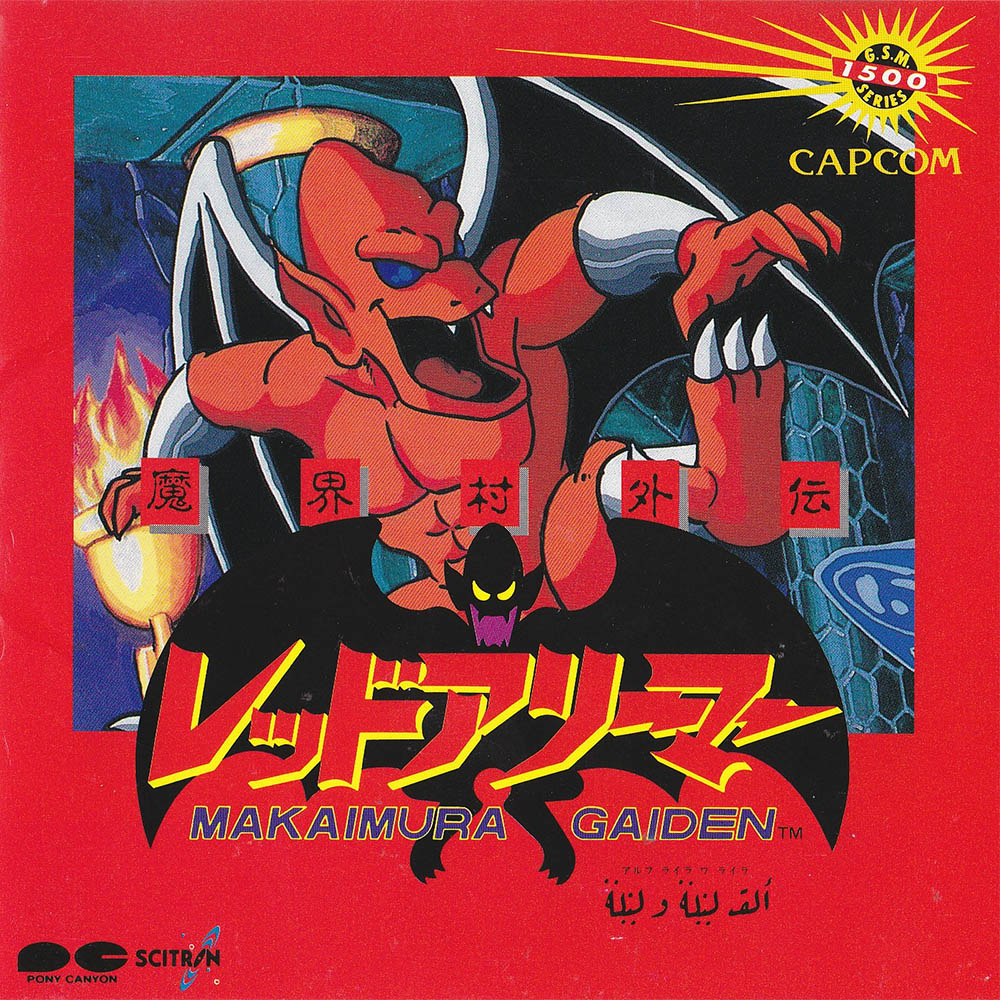
The art for the album is actually better than any of the box arts for this game, honestly.
It looks pretty great, with the character on front and nice colors.
Also, I definitely recommend checking the album, it’s really short.
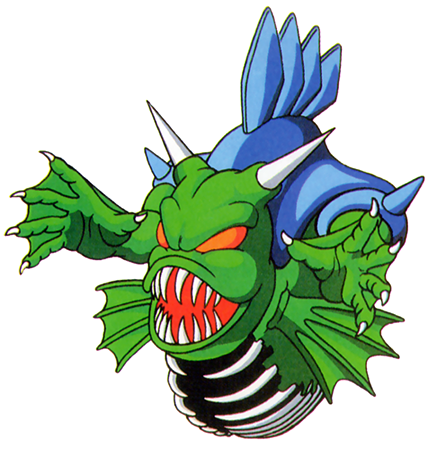
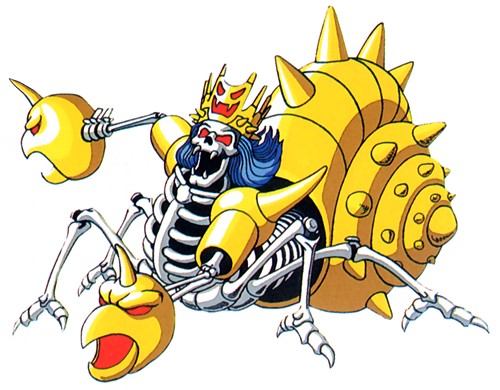
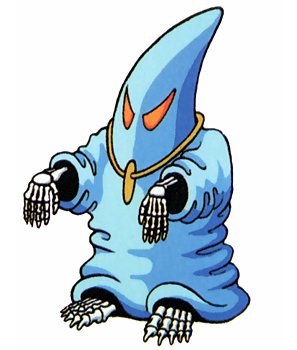
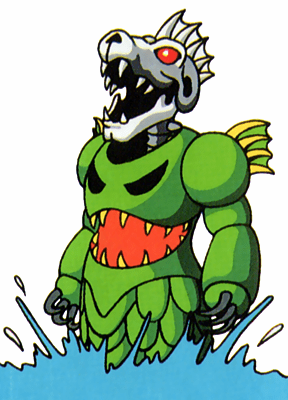
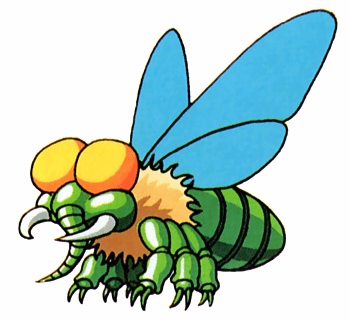
There’s a lot of cool artwork for this game actually, for the bosses, enemies and so on.
Since I’m already talking about them, might as well share some with you here:
On topic of artwork, here are some miscellanous stuff:
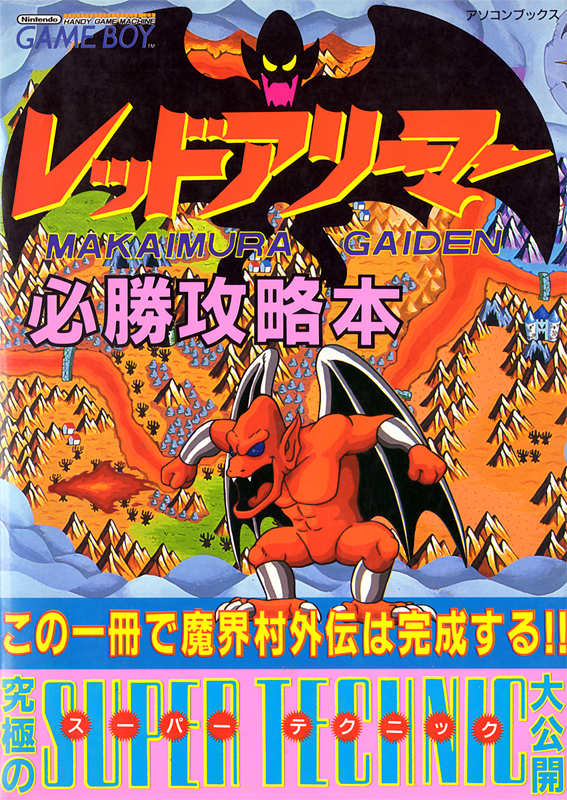
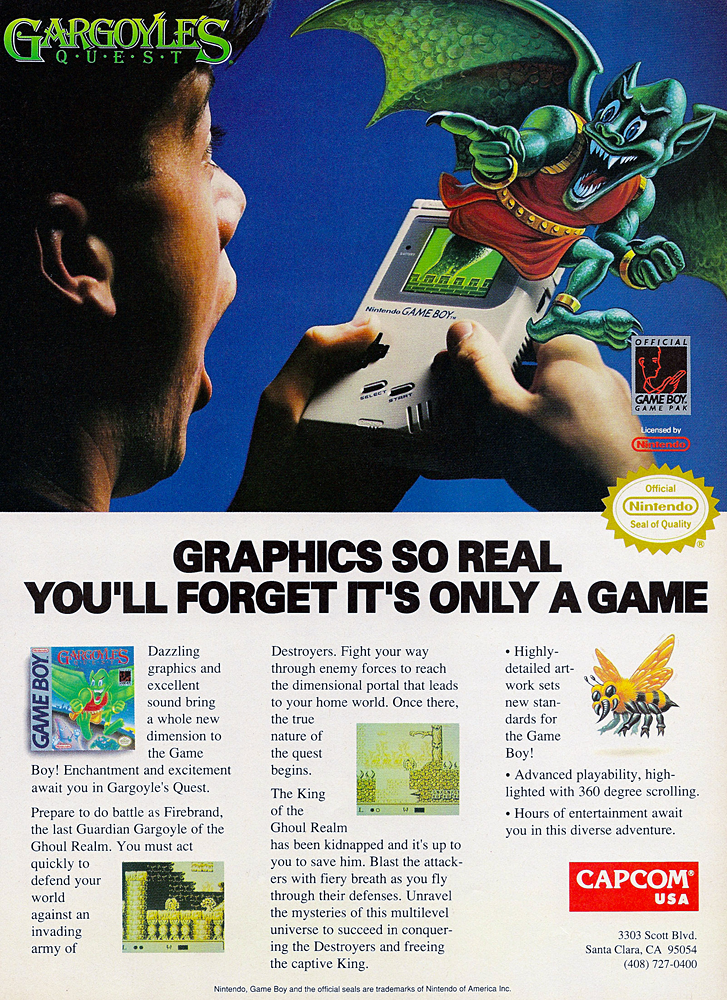
Right: American magazine ad.
(Yet again, all images taken from Capcom Database).
Alright, so with that out of the way, let’s just get to the conclusion.
The game is one of the most unique games I’ve played out there, well… there are more 3 installments to cover, which follow more or less the same format, so let’s just say it’s one of the most unique series, since what this game does, isn’t gone in the later games at all.
But we’ll get to that later, let’s talk about this one specifically.
One thing I cannot ignore is how generous the game is, there are some moments that feel a bit sour with checkpoints, but that’s just because the levels can get quite hard and as a result, it feels like it’s longer to get back to where you were than it actually is.
The levels do get quite long, but it’s not nearly as much as I initially thought, it’s just that there are a lot of activity going on.
The game, as I noted, uses a password system, and it’s basically the same as save system, except without the possibility of your save file getting erased when the battery dies. It keeps your amount of lives, items and souls all intact, which is great, so many games out there have passwords that won’t keep your items when you restart. There’s also the possibility of using certain passwords that will give you a different effect, such as starting out the game with upgrades, getting to the last town with all items and so on, but I’ve never used those.
(I didn’t even know these existed when playing the game, since they’re not mentioned anywhere and are probably what you would find in a guidebook of the time, except for the last town one, that’s probably just something dedicated players provided).
Also, keep in mind, the passwords for the fan translation and the official one don’t match.
For beginners especially, I would heavily recommend buying Dark Power early on as much as you can (not too early though, get used to the get mechanics first), since it’s really cheap on the first half, but it gets quite expensive in the latter half.
And if you really can’t get through the game I guess you could look up that one password that gives you upgrades from the start, and honestly, that is a way to increase replayability if you like the game but feel tired of starting out so weak (although there is no password that gives you all the upgrades from the start, which is a missed opportunity in my opinion, I could imagine that being a nice reward for beating the game or even a “hot topic” in a guidebook or magazine back then.
The game is quite short, as to be expected of an early Game Boy title, but it’s really fun and I think it is way more accessible and beginner-friendly than its parent series, by a long-shot.
And hey, Capcom is eager to remake a bunch of their games lately, so I could imagine a collection of remakes of the games in this little spinoff series.I’m not a big fan or remakes, but because of the idea itself, but because most remakes out there are missed opportunities to improve a lot of games, changing little more than the basics, and even worse, are often done only to games that are already quite good or great, as opposed to games that would actually benefit of a remake, games that have a little rough around the edges or big flaws and so on, but anyway… If they ever do that, there are many things I’d hope for, but one of them is definitely a New Game +, if I didn’t make it clear enough, starting out with all your upgrades sounds like something quite a bit amazing.
Anyhow, I think that’s it for this game, I’ve said all that I wanted, it’s a great game and I recommend it, definitely worth at least a quick look.
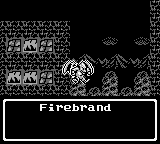
Firebrand’s quest is done for now, but I will be back to play the other games in the series and see how they compare to this one, see you until then!
 Rainy's Game Corner